I’ve never seen this but it feels at least 10 years old
Yeah, it has real ‘Early 00s
SmartphoneCameraphone’ vibesThere were no smartphones in the early 2000s though.
This dude’s never heard of Symbian or Blackberry I guess. Or Sony Ericsson and Nokia N*** phones.
You leavin’ out Palm Trēo, punk?
Palm and Windows CE was it?
I actually had a palm pilot, then a Sony Clio for reading RSS feeds on the subway commute in the very early 2000s.
The original (best) Trēos were on PalmOS, but they did make some windows ones later.
The Sony Clié was a sexy beast.
Yea, that Clie (thanks for reminding me of the spelling btw) was great. It had a decent lithium battery (palms had alkaline batteries ant the time) and fit in my pocket as well as the early iPhones.
I ended up using the dock from the old Palm Pilot with a usb cord grafted on the end to download images from those ‘one time use’ digital cameras from Ritz.
My first smartphone was a Nokia running Symbian with a fold out QWERTY keyboard.
I actually loved It, except for the ridiculous paucity of compatible apps…
Yeah, I was thinking about Symbian too. The basic functionality of an Android phone today, Symbian already had with the limitations of its time. In 2003, you could use your Symbian to share internet to a PC, navigate maps, edit documents, take pictures, edit pictures, browse the web, etc. There was a good amount of third party apps too, including browsers like Opera and games like Chessmaster. And this was a shitty OS for this, Maemo was way better, but it came later.
I used a Symbian phone to find a cafe in Providence once while working there in winter 2005/6 or so. And got charged like $2 from Cingular for loading one yelp page listing. I was so cold, and had to shit so bad I didn’t care.
I remember. Mobile internet was ridiculously expensive. Browsers used to have an option to not download images and videos, that used to help a lot. Then Opera Mini came and these problems were gone for good.
I left Japan in 2008. Phones had had cameras long enough that the makers had to add the can’t-turn-it-off shutter sound because so many chikan were taking upskirt photos on public transport.
Less salaciously, there was also panic about people taking pictures of magazine articles in bookstores and then not buying the magazine. Not sure anyone really would have tried to read an article on those tiny screens, though.
Phones with cameras =/= Smartphones.
Not sure what you were trying to say with your comment, nothing you wrote is relevant to Smartphones not existing in the early 00s.
There were plenty low quality digital point and shoot cameras though.
Fair enough, the first blackberry with a camera was 2006 (the Blackberry Pearl). So mid-00s smartphone.
I’ve never seen this specific photo, but it absolutely was popular ~2010.
Tubas and trombones were popular choices among band students
In Japan, it’s rather old and I haven’t seen anyone doing it lately (though I admittedly barely touch any SNS, though watching my wife browse insta, I’ve never seen it).
And seen multiple people using it, not just Japanese.
This was the best thing I’d seen all day, until I saw this:
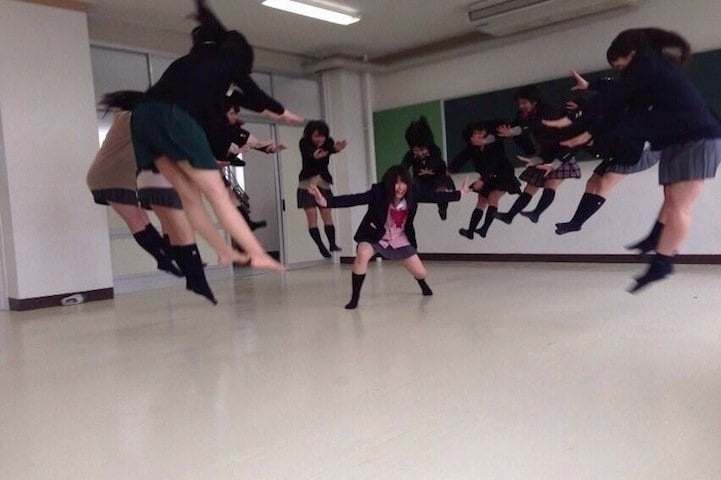
…and this is just true love:
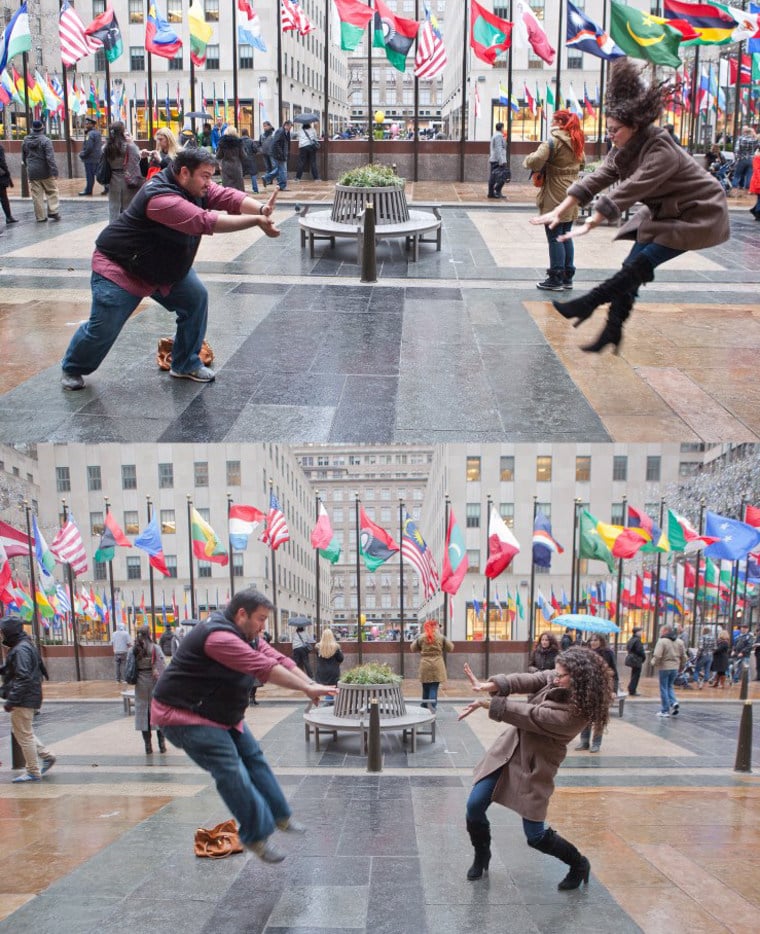
The top image is peak Ayase Momo cosplay
Otaku when they learn about Kogal fashion:
I was there Gandalf, I was there three thousand years ago…
Darkness took me and I strayed away through thought and time. Stars wheeled overhead and every meme was as long as a life age of the earth…
Fake, she’s not even blowing on it.
Shes using an advanced technique common in bass instruments known as “slapping.”
I need a dramatic close up on a bystander who gasps in surprise before announcing “She’s not even blowing into it!” followed by the close up of the shooter saying “That’s right, I have gone BEYOND the need to blow into my instrument of destruction!”
╓───────────────╖ ╏I WOULD LIKE TO KNOW MORE╏ ╙───────────────╜Is this the next Hibiki Euphonium series?
Way better than the fad of throwing jugs of milk in grocery stores.

You’re goddamn right.
This quiet offends Slaanesh, things should get LOUD now!
Nah, man. This is likely Khorne for the old battle bugle
We had this in the west as well when I was a kid. It was called fus-ro-dahing or something.
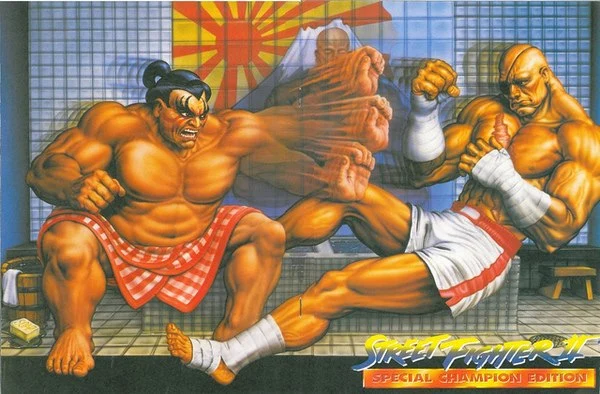
We had hadokens before Morrowind, let alone Skyrim, when I was a kid. Street Fighter was pretty popular.
Oh god, skyrim is 14 years old
I prefer “How do you do, Ken?”-ing and “Sorry you Ken!”-ing…
I thought that was when you just spammed ranged attacks?
deleted by creator
That’s a tuba: properly wielded/played, it can do that…
: p
Lame.